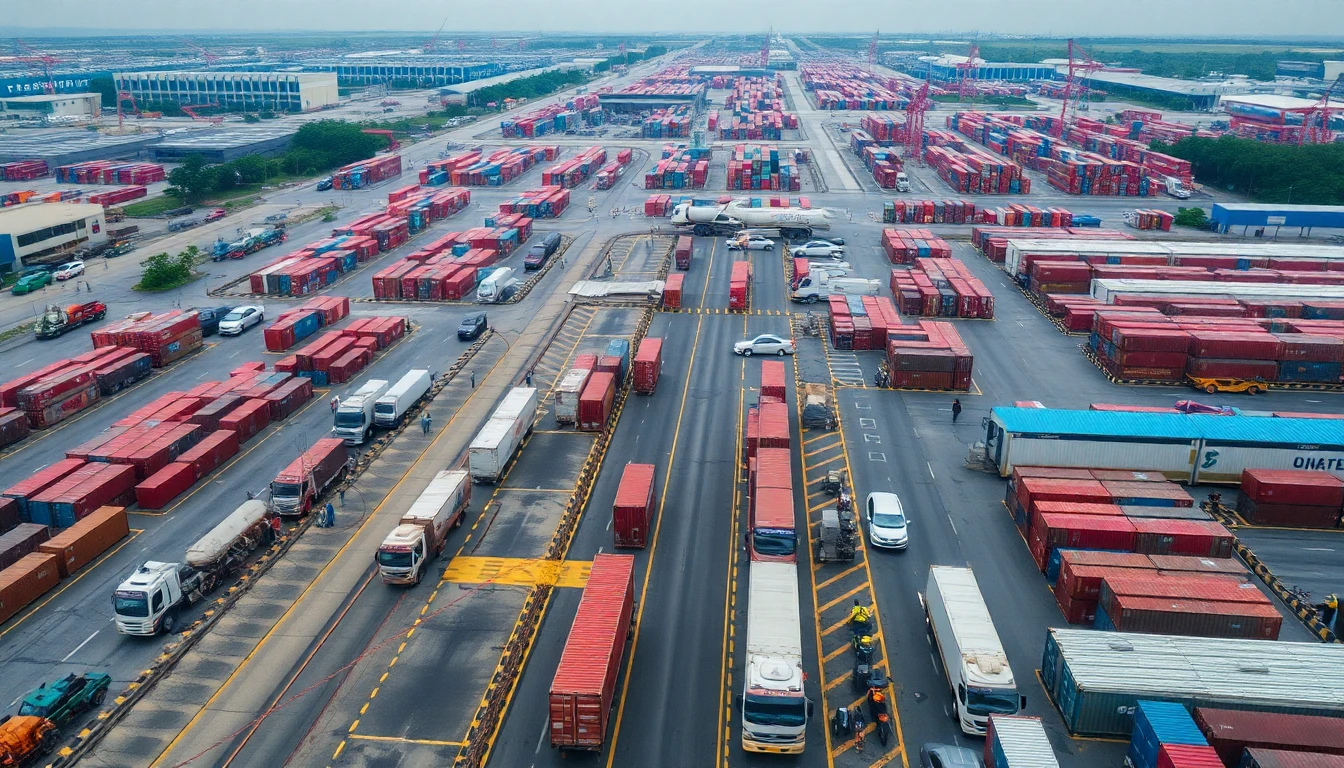
The National Logistic Ecosystem (NLE) in Indonesia aims to streamline logistics and improve efficiency for importers and exporters.
The National Logistic Ecosystem (NLE) is an initiative by the Indonesian government aimed at improving the efficiency and transparency of logistics and supply chain operations in the country. Launched in 2020, the NLE is designed to streamline processes, reduce costs, and enhance the overall competitiveness of Indonesia's logistics sector.
The primary objectives of the NLE include:
The NLE consists of several key components that work together to create a more efficient logistics environment:
The NLE operates through a digital platform that connects various stakeholders, including importers, exporters, logistics providers, and government agencies. This platform enables real-time tracking of shipments, automated customs clearance, and streamlined communication between parties.
One of the significant features of the NLE is its integration with customs and excise processes. Importers can benefit from faster customs clearance times, as the NLE allows for pre-clearance of goods based on accurate data submissions. This is crucial for products subject to specific regulations and tariffs, such as electronics or textiles.
The NLE encourages collaboration among logistics service providers, enabling them to offer comprehensive solutions that cover transportation, warehousing, and distribution. This collaboration helps reduce costs and improve service delivery for importers and exporters alike.
The NLE includes mechanisms for monitoring the performance of logistics operations. Key performance indicators (KPIs) are established to assess efficiency, cost-effectiveness, and service quality. This data can be invaluable for businesses looking to optimize their logistics strategies.
For importers, the NLE presents several advantages:
Importers should be aware of the relevant regulations and HS codes that apply to their products. For example, the import of automobiles is subject to specific tariffs and regulations under Indonesian law. Understanding these codes and their associated duty rates is essential for compliance and cost management.
Duty rates for various products can vary significantly. For instance, the import duty for cocoa beans is set at 5%, while other products may have different rates based on their classification under the Harmonized System (HS) codes. Importers should consult the latest tariff schedules to ensure they are aware of the applicable rates.
The National Logistic Ecosystem (NLE) represents a significant advancement in Indonesia's logistics landscape. By fostering integration, enhancing data sharing, and ensuring regulatory compliance, the NLE aims to create a more efficient and transparent logistics environment for all stakeholders. Importers looking to navigate the complexities of Indonesian trade can benefit from understanding the NLE and its implications for their operations.
For companies importing to Indonesia, utilizing services like those offered by Kickrate can help ensure compliance and streamline the import process.