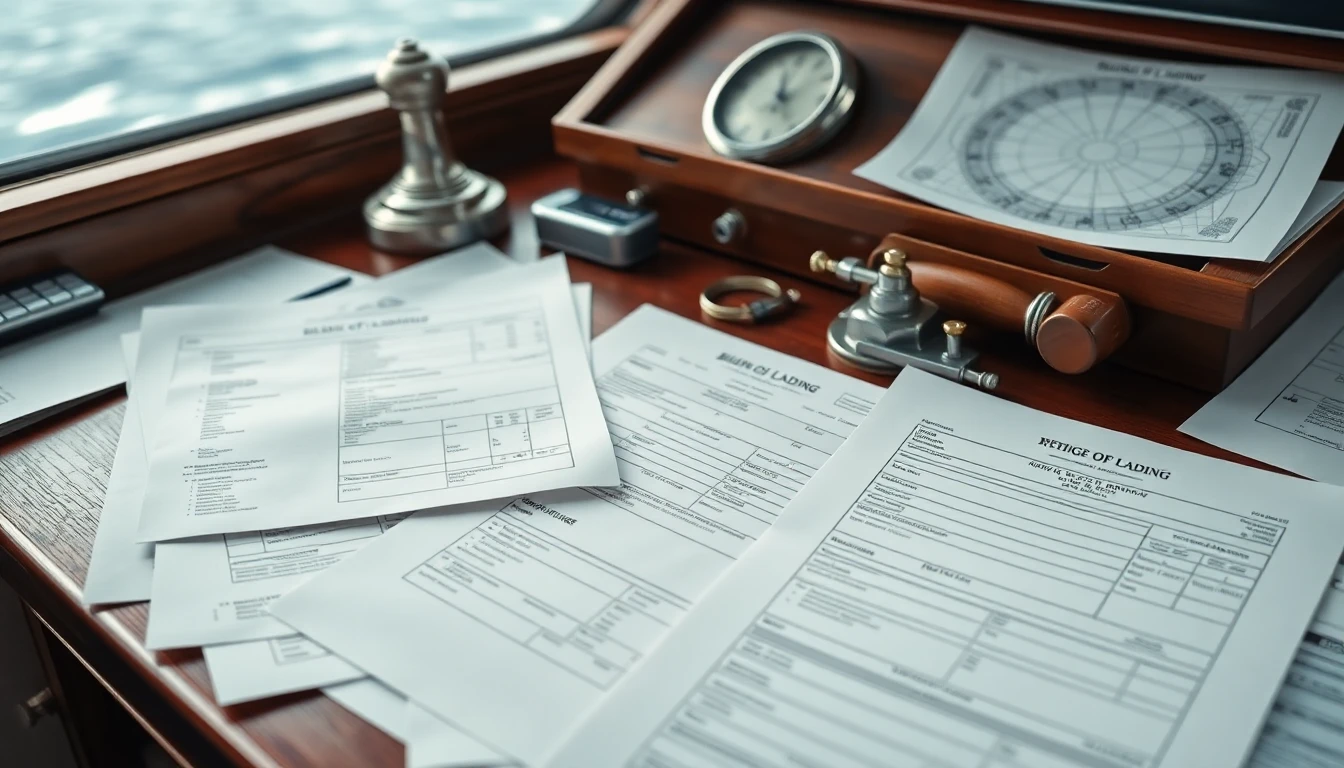
A Bill of Lading is a key document in international trade, serving as a receipt, contract, and document of title. Understanding its components is crucial for importers.
A Bill of Lading (B/L) is a crucial document in international trade, serving multiple functions in the shipping process. It acts as a receipt for the goods, a document of title, and a contract of carriage between the shipper and the carrier. Understanding the nuances of a Bill of Lading is essential for logistics professionals and importers to ensure compliance with regulations and to facilitate smooth transactions.
There are several types of Bills of Lading, each serving different purposes:
A Bill of Lading typically includes the following components:
Harmonized System (HS) codes are internationally standardized numerical codes that classify traded products. Including the correct HS code in the Bill of Lading is essential for customs clearance and determining applicable duties and taxes. For instance, if you are importing cocoa beans, you would use the HS code 18010010. This classification helps customs authorities assess the appropriate tariffs and ensures compliance with local regulations.
The Bill of Lading is a legal document that can be used in disputes regarding the shipment. It serves as evidence of the contract of carriage and can be presented in court if necessary. Therefore, it is crucial to ensure that all information is accurate and complete to avoid potential legal issues.
The Bill of Lading is integral to the supply chain process. It facilitates the movement of goods from the seller to the buyer, ensuring that all parties are aware of their rights and responsibilities. Additionally, it plays a vital role in securing financing for shipments, as banks often require a Bill of Lading to release payment to the exporter.
In summary, the Bill of Lading is a fundamental document in international trade that serves multiple purposes, including acting as a receipt, a contract, and a document of title. Understanding its components, types, and importance in the supply chain is essential for logistics professionals and importers. Ensuring the correct information, including HS codes, is included in the Bill of Lading can facilitate smoother customs clearance and compliance with regulations.
For companies importing to Indonesia, understanding the Bill of Lading is crucial, and Kickrate provides Importer of Record (IOR) services to assist in navigating these complexities.