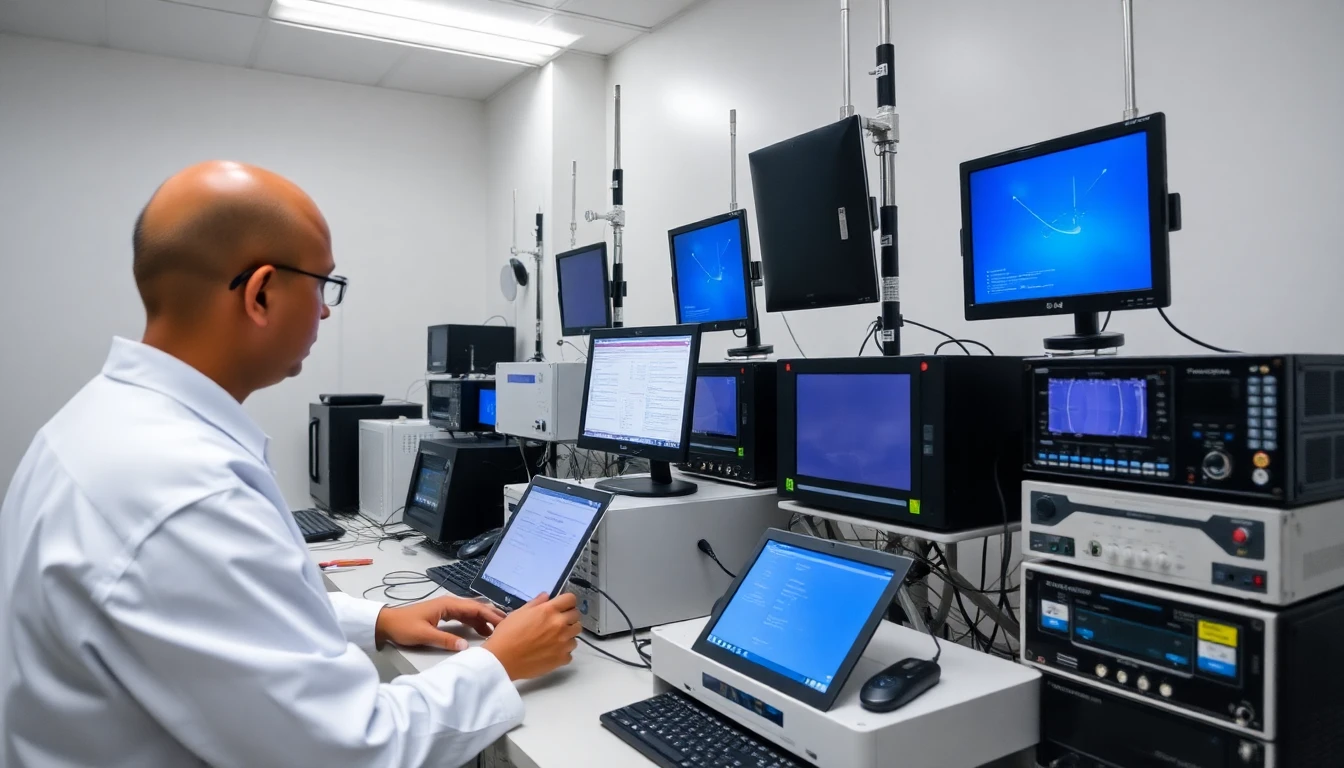
TKDN (Tingkat Komponen Dalam Negeri) is Indonesia's local content requirement that mandates a minimum percentage of domestic components in smartphones, tablets, and certain electronics. Here's what foreign brands need to know.
TKDN (Tingkat Komponen Dalam Negeri) is Indonesia's local content requirement — a regulation mandating that certain product categories contain a minimum percentage of locally-sourced components, labor, or value. For foreign brands selling smartphones, tablets, and certain electronics in Indonesia, complying with TKDN is mandatory — products that don't meet the threshold cannot be legally activated on Indonesian networks or sold through major retail channels.
This guide explains TKDN rules, calculation methods, certification process, and practical strategies for foreign electronics brands entering the Indonesian market.
TKDN stands for Tingkat Komponen Dalam Negeri — literally "Domestic Component Level." It's the percentage of a product's value that comes from Indonesian sources: local materials, Indonesian labor, locally-developed software, or investments in Indonesia.
The Indonesian government uses TKDN to:
The most strictly-enforced TKDN requirements:
The calculation is based on value of components, not physical quantity. Simplified formula:
```
TKDN (%) = (Domestic Component Value / Total Product Value) × 100%
```
Eligible domestic components:
Foreign brands have three options:
Certification is issued by the Ministry of Industry (Kemenperin) through their Industrial Research and Development Center.
1. Product Data Preparation (1-3 months)
2. Verification Audit (1-2 months)
3. TKDN Certificate Issuance
4. Periodic Reporting
| Item | Duration / Cost |
|---|---|
| Data preparation | 1-3 months |
| Audit + verification | 1-2 months |
| Total timeline | 2-5 months |
| Government fees (PNBP) | IDR 5-15 million per product |
| Consultant/auditor fees | $5,000-25,000 per SKU |
For 4G/5G smartphones (the most strictly enforced category):
SDPPI (Sertifikat Postel) is required for all radio-frequency devices. Without TKDN compliance, SDPPI for 4G/5G smartphones will not be granted.
Operators (Telkomsel, Indosat, XL, Tri) block IMEIs of devices without complete certification. Customers cannot use Indonesian SIM cards.
E-commerce platforms (Tokopedia, Shopee, Lazada, Blibli) increasingly require proof of TKDN before listing.
If devices are found being sold without proper TKDN, customs and tax authorities can demand reclamation of preferential treatments received.
Major brands (Samsung, Xiaomi, Vivo, Oppo) assemble at partner factories in Cikarang, Tangerang. This provides substantial TKDN from physical manufacturing.
Develop Indonesian-customized OS skins or pre-installed apps. Partner with Indonesian developers to boost software TKDN.
Build an R&D or innovation center in Indonesia. Capital investment is allocated as local component.
Before establishing TKDN structure, an IOR can help import samples, devices for testing, and limited quantities. Once TKDN strategy is established, transition to full distribution.
Only 4G/5G capable smartphones, tablets, and handheld devices require 35% TKDN. 2G/3G devices (rare now) are not.
Not for consumer market. Required only for sales to government/BUMN procurement.
2-5 months from document preparation to certificate. Requires planning well before product launch.
No. Without valid SDPPI and TKDN, devices cannot be activated on Indonesian cellular networks, eliminating their resale value.
No. SNI is Indonesia's national standard certification (quality and safety). TKDN is a local content percentage. Both can be required simultaneously for some products.
For smartphones, yes — the Software Development pathway allows the 35% to be met largely through significant local software content.
Yes — Apple uses the Investment Pathway via Apple Developer Academy facilities in multiple Indonesian locations.
TKDN applies to products entering the Indonesian market generally. For B2B/industrial products, TKDN requirements typically appear in government/BUMN procurement tenders.
TKDN certificates issued by Kemenperin can be verified at tkdn.kemenperin.go.id.
Kickrate is a licensed Importer of Record in Indonesia with experience importing electronics and telecommunications equipment. We can help with HS classification, SDPPI coordination, and TKDN strategy alongside local consulting partners.
Contact us for a consultation or search HS codes for full import requirements for your product.