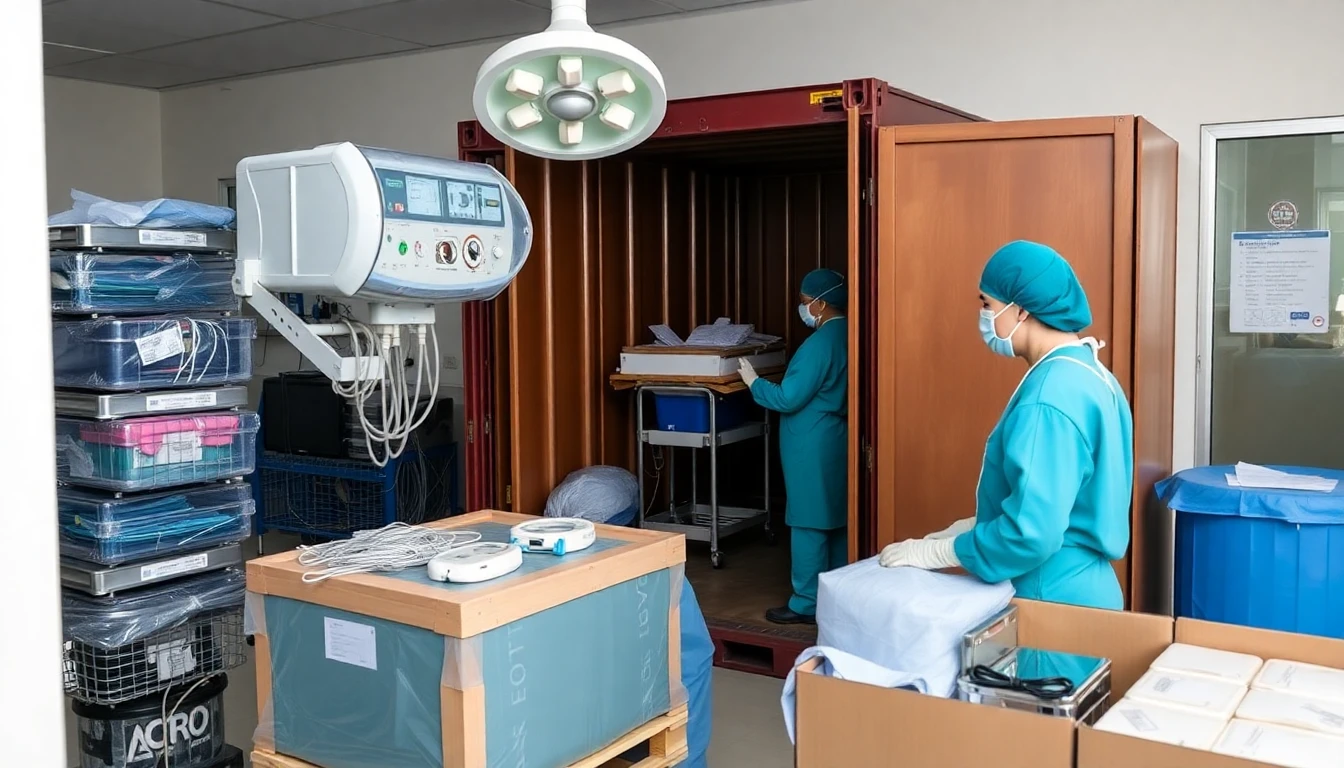
This article outlines the essential steps and regulations for importing medical equipment into Indonesia, including HS codes and duty rates.
Importing medical equipment into Indonesia requires a thorough understanding of the regulations, tariffs, and processes involved. As the healthcare sector continues to grow, the demand for advanced medical devices is increasing. This article outlines the essential steps and considerations for logistics professionals and importers looking to navigate the complexities of importing medical equipment into Indonesia.
Before importing medical equipment, it is crucial to understand the regulatory framework governing such imports. The Indonesian Ministry of Health oversees the importation of medical devices, ensuring that all products meet safety and efficacy standards. Importers must comply with the following regulations:
Medical equipment is classified under specific Harmonized System (HS) codes. Understanding these codes is essential for determining applicable tariffs and regulations. Some common HS codes for medical equipment include:
The import duty rates for medical equipment can vary significantly based on the specific HS code. For instance:
It is important to check the latest tariff schedules from the Indonesian Customs and Excise Directorate General to ensure compliance with current rates.
The import process for medical equipment into Indonesia involves several key steps:
To ensure compliance with Indonesian regulations, importers should maintain quality assurance practices. This includes:
Importing medical equipment into Indonesia involves navigating a complex regulatory environment and adhering to specific procedures. By understanding the necessary regulations, HS codes, and import processes, logistics professionals and importers can facilitate smoother transactions and ensure compliance with Indonesian law. For companies looking to import medical equipment, it is advisable to seek guidance from experts in the field.
Kickrate provides Importer of Record (IOR) services to assist companies in navigating the complexities of importing to Indonesia, ensuring compliance with local regulations and facilitating a smooth import process.