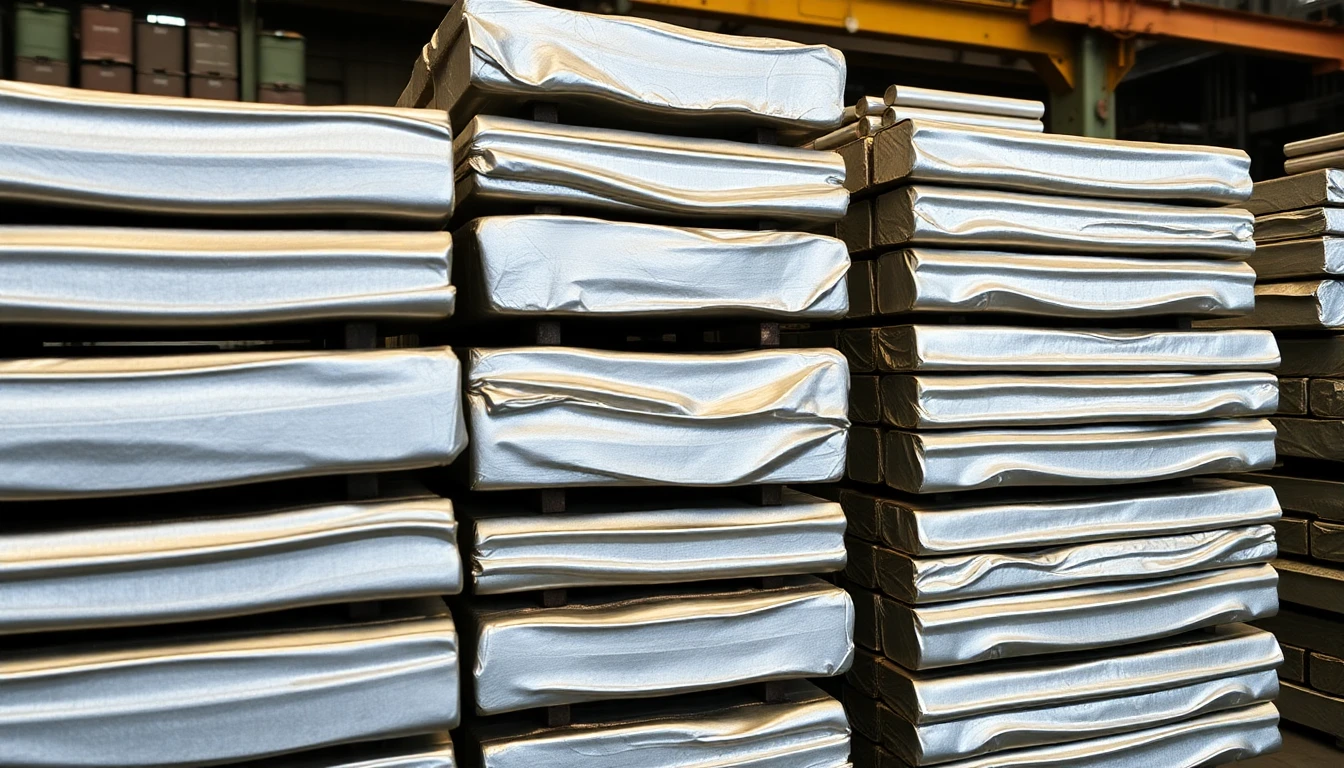
This article outlines the process and regulations for importing aluminum from Indonesia, including HS codes and duty rates.
Indonesia is one of the leading producers of aluminum in Southeast Asia, making it an attractive source for importers looking to procure aluminum products. Understanding the import process, regulations, and associated costs is crucial for logistics professionals and importers aiming to navigate the complexities of international trade.
When importing aluminum, it is essential to identify the correct Harmonized System (HS) codes that apply to the specific aluminum products you intend to import. The HS code for aluminum and its products typically falls under the following categories:
Each of these categories has specific duty rates and regulations that must be adhered to when importing.
The import duty rates for aluminum products can vary significantly based on the HS code. As of October 2023, the following are the general duty rates for aluminum products:
These rates are subject to change based on trade agreements and government policies, so it is essential to check the latest regulations from the Indonesian Directorate General of Customs and Excise.
To import aluminum into Indonesia, you must obtain an import license. The license is typically issued by the Ministry of Trade and is necessary for compliance with local regulations. Importers should also be aware of the following:
Once the aluminum products arrive in Indonesia, they must go through the customs clearance process. This involves:
To facilitate the import process, the following documents are typically required:
Importing aluminum from Indonesia involves understanding the relevant HS codes, navigating duty rates, and complying with local regulations. By ensuring that all documentation is in order and understanding the customs clearance process, importers can successfully bring aluminum products into the Indonesian market.
For companies looking to streamline their import processes, Kickrate provides Importer of Record (IOR) services to facilitate compliance and ensure smooth operations when importing to Indonesia.