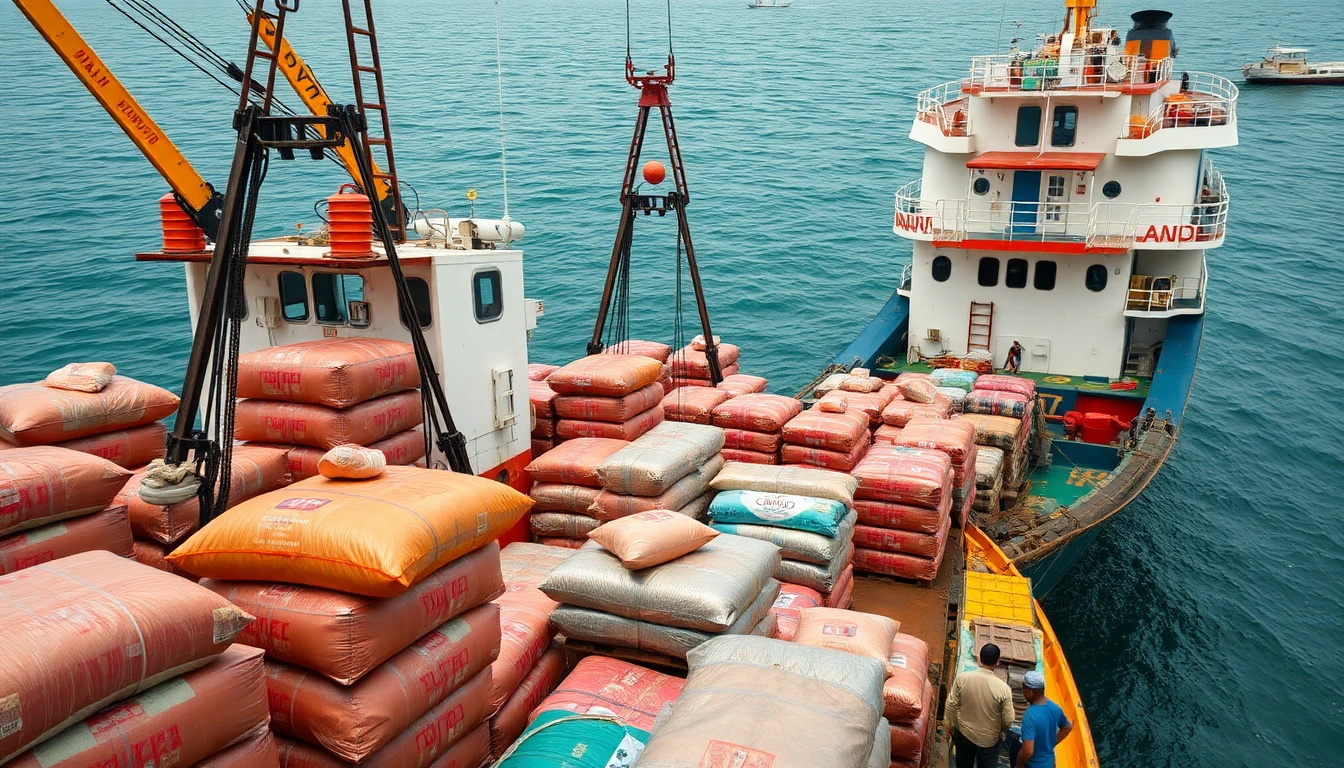
This article outlines the steps and regulations for exporting goods from Indonesia, including necessary documentation and HS codes.
Exporting goods from Indonesia can be a lucrative opportunity for businesses looking to expand their market reach. However, navigating the complexities of export regulations, documentation, and tariffs is crucial for a successful export operation. This article provides a comprehensive guide for logistics professionals and importers on how to export goods from Indonesia, including specific regulations, processes, and relevant HS codes.
Before exporting goods from Indonesia, it is essential to understand the regulatory framework governing exports. The primary authority overseeing export regulations in Indonesia is the Ministry of Trade. Exporters must comply with various regulations, including obtaining necessary licenses and permits, depending on the type of goods being exported.
Certain products require an export license, which can be obtained from the Ministry of Trade. For instance, commodities such as cocoa beans and rubber are subject to specific export regulations. Exporters must also ensure that their products meet the quality standards set by the Indonesian National Standard (SNI).
Exporting goods from Indonesia involves several key documents that must be prepared and submitted:
Exporters should be aware of the applicable tariffs and duties on their goods. While Indonesia does not impose export duties on most products, certain commodities may be subject to specific tariffs. For example, palm oil exports may incur export duties depending on the global market price. It is advisable to consult the latest regulations from the Directorate General of Customs and Excise to determine if your product is subject to any export duties.
Proper classification of goods using the Harmonized System (HS) codes is crucial for export compliance. Each product falls under a specific HS code, which determines the applicable regulations and tariffs. For instance:
Exporters must ensure that they use the correct HS code to avoid penalties and ensure smooth customs clearance.
The export process in Indonesia generally follows these steps:
Exporting goods from Indonesia requires careful planning and compliance with various regulations and documentation requirements. By understanding the export process, obtaining the necessary licenses, and using the correct HS codes, businesses can successfully navigate the complexities of international trade. For companies looking to import goods into Indonesia, it is also essential to consider the role of an Importer of Record (IOR) service to ensure compliance with local regulations. Kickrate provides IOR services for companies importing to Indonesia, facilitating a smoother entry into the Indonesian market.